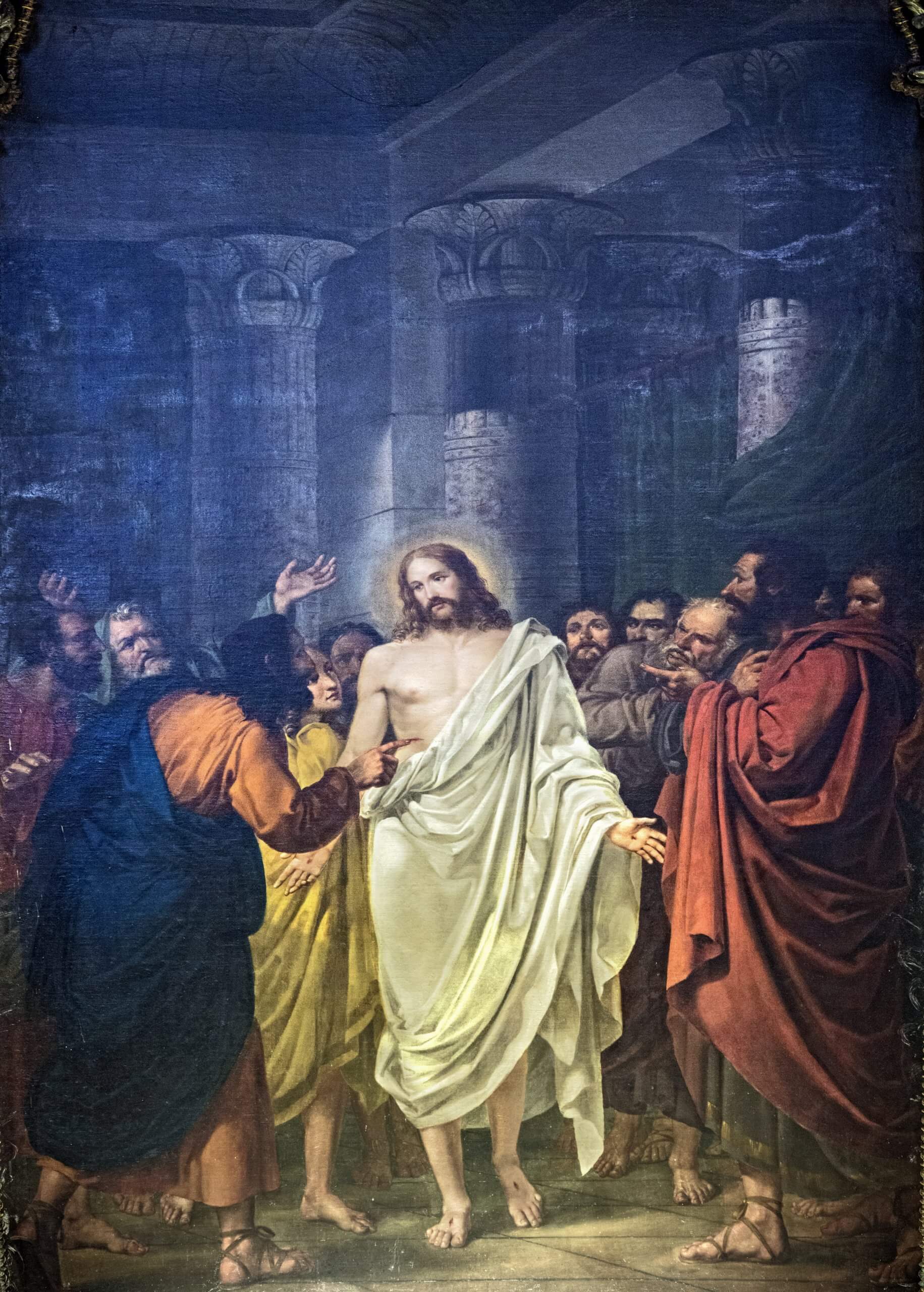
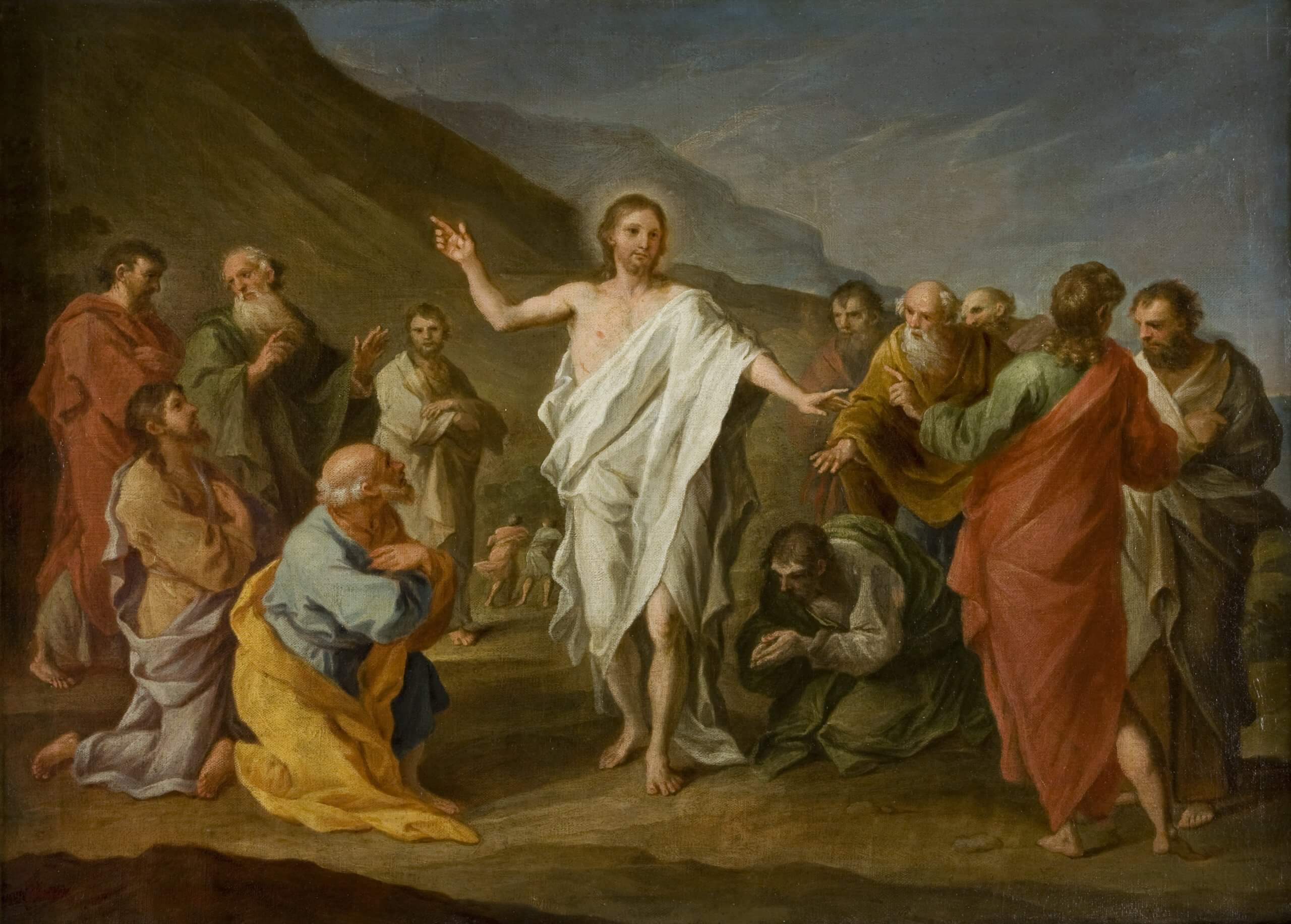
In every season of life, the Christian journey reveals a paradox: suffering does not end the story. Rooted in Benedictine spirituality, the Cross becomes not a symbol of defeat but a path toward transformation, hope, and resurrection.
There are moments in life when progress seems to stop—when plans unravel, prayers feel unanswered, and the weight of uncertainty presses heavily upon the heart. In these moments, people often ask a quiet but universal question: Why does suffering find its way even into faithful lives?
The Christian story does not avoid this question. Instead, it begins there. At the center of Christianity stands the Cross—an image both unsettling and hopeful. It speaks of pain, sacrifice, and human vulnerability, yet it also reveals something greater: that suffering, when united with God, can become a doorway to transformation. What appears to be an ending may, in God’s mysterious design, become the beginning of new life.
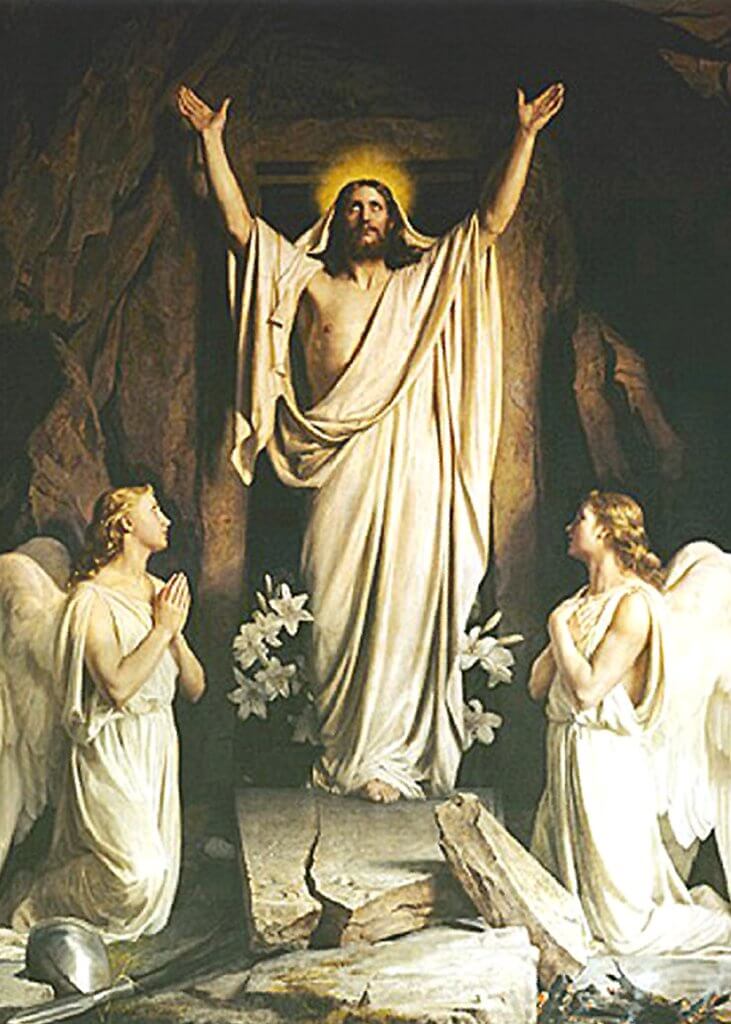
The lives of Scripture remind us that struggle has always accompanied faith. Abraham trusted amid uncertainty. Moses persevered despite rejection. David endured fear and exile. Mary carried both joy and sorrow with unwavering trust. In Jesus Christ, this truth reaches its fullness as He embraces the Cross, transforming an instrument of death into a sign of hope for the world.
Benedictine spirituality offers a gentle yet profound lens through which to understand this mystery. Rather than searching for immediate explanations, it invites us to remain—to stay rooted in faith even when clarity is absent. St. Benedict teaches stability and perseverance, encouraging believers to encounter God not only in moments of peace but also in seasons of trial.
Saint Paul speaks of sharing in the sufferings of Christ, reminding believers that faith is not lived in isolation. When suffering is united with Christ, it becomes more than endurance; it becomes offering. Prayer endured in hardship, sacrifices made in silence, and faith sustained in difficulty radiate outward, bringing unseen grace into the lives of others.
Trials also refine the human spirit. Loss loosens our attachment to what cannot last. Waiting teaches patience. Weakness reminds us of our need for God. Often, the deepest growth occurs quietly, hidden beneath ordinary struggles that shape the soul over time.
Suffering, paradoxically, can also widen the heart. Those who have known pain often learn compassion more deeply. They listen more attentively, forgive more readily, and accompany others with greater understanding. In stillness, wounds can become sources of wisdom, and brokenness can give birth to mercy.
The saints bear witness to this enduring reality. Holiness has never existed apart from sacrifice. Christ’s invitation remains unchanged: to follow Him is to take up one’s cross daily, trusting that love and life lie beyond it.
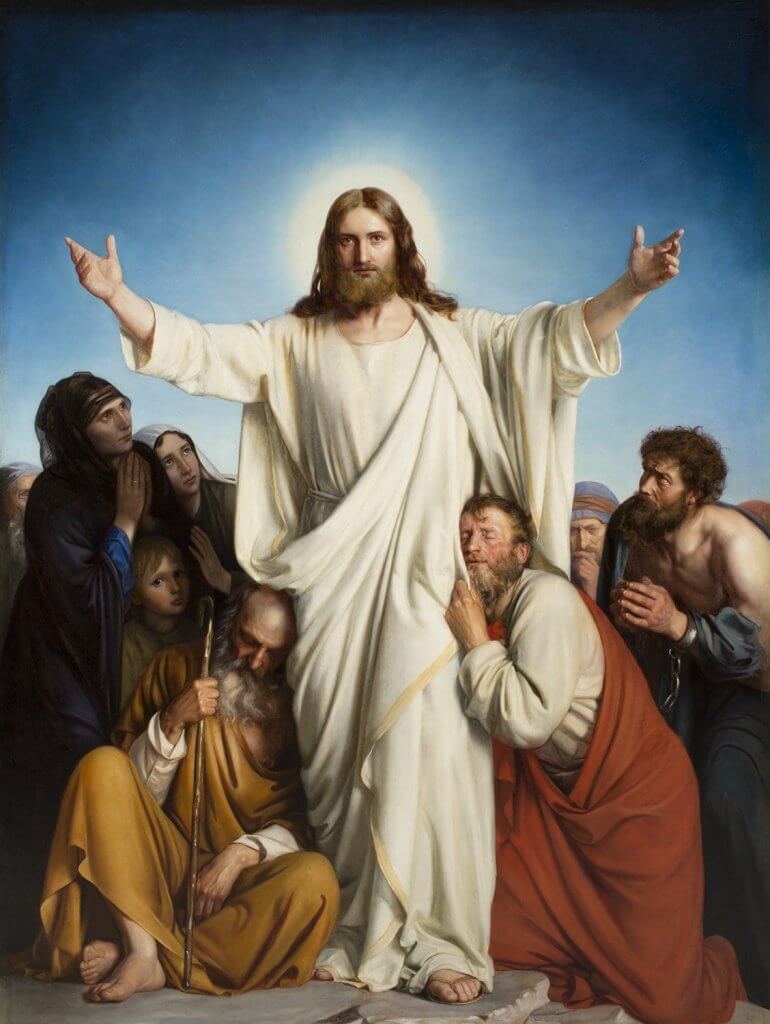
Perhaps the most consoling truth of the Christian faith is that God does not watch human suffering from a distance. In Jesus Christ, God enters fully into the human condition, embracing pain, rejection, and death itself. The Cross reveals a God who does not merely explain suffering but transforms it from within.
For the Bedan community, this reflection resonates deeply with the Benedictine rhythm of Ora et Labora—prayer and work lived with faithfulness and hope. The challenges encountered in study, service, relationships, and personal growth are not meaningless interruptions but opportunities for grace to unfold quietly.
Over time, the question of suffering begins to change. Instead of asking, “Why is this happening?” faith invites us to ask, “What new life might God be bringing forth through this?” The Christian journey teaches that no cross carried in faith is ever wasted.
Because the Cross is never the final word.
In God’s hands, it becomes the passage through which sorrow gives way to hope, wounds become signs of grace, and every ending opens toward resurrection.
Inspired by the article “Why God Allows Good People to Suffer” by Catholic Online Class
Scripture Highlight
“Whoever wishes to come after me must deny himself, take up his cross, and follow me.”
— Matthew 16:24
Every cross carried in faith holds within it the promise of resurrection.
Photos:
- The Resurrection — Carl Heinrich Bloch (19th century)
- The Resurrection of Christ — Raphael (1501–1502)
- The Resurrection — Piero della Francesca