(By Dr. Wilbert Auner B. Namoc) In the steady rhythm of school life, the day often moves quickly. There is the rush of traffic outside the gates, the quiet hum of offices and classrooms, and the hurried pace of students moving from one activity to another. In the midst of all this, I see many faces. Each morning, familiar faces enter the campus. Some students arrive animated and talkative, others quiet and reflective. There are the reassuring faces of parents at drop-off, the attentive faces of teachers preparing for the day, and the focused faces of the staff who keep the school running. These faces form the living community of the school.
Yet beyond the school routine, there were other faces waiting to be seen. I found myself thinking again of the people of Pola, Oriental Mindoro, whom we had not visited for some time. Their faces beckoned and remained, gently reminding us that our encounter with them was not yet complete. They needed to be seen again, and we too needed to see them once more, along with the new faces that would surely meet us there. So a medical mission was convened.
At the heart of this initiative were the volunteers whose commitment carried the mission forward. Among them were the physicians who generously responded to the call to serve: Drs. Arsenio and Fatima Cortez with their team of medical professionals, and Dr. Harry Vea and Ria who led their dental team with equal dedication. They brought not only their professional knowledge but also a deep attentiveness to the people before them. Each patient was not simply a case to be managed, but a person to be listened to and cared for. In every consultation, something quiet but profound unfolded—something that cannot easily be measured or recorded: the gift of presence.

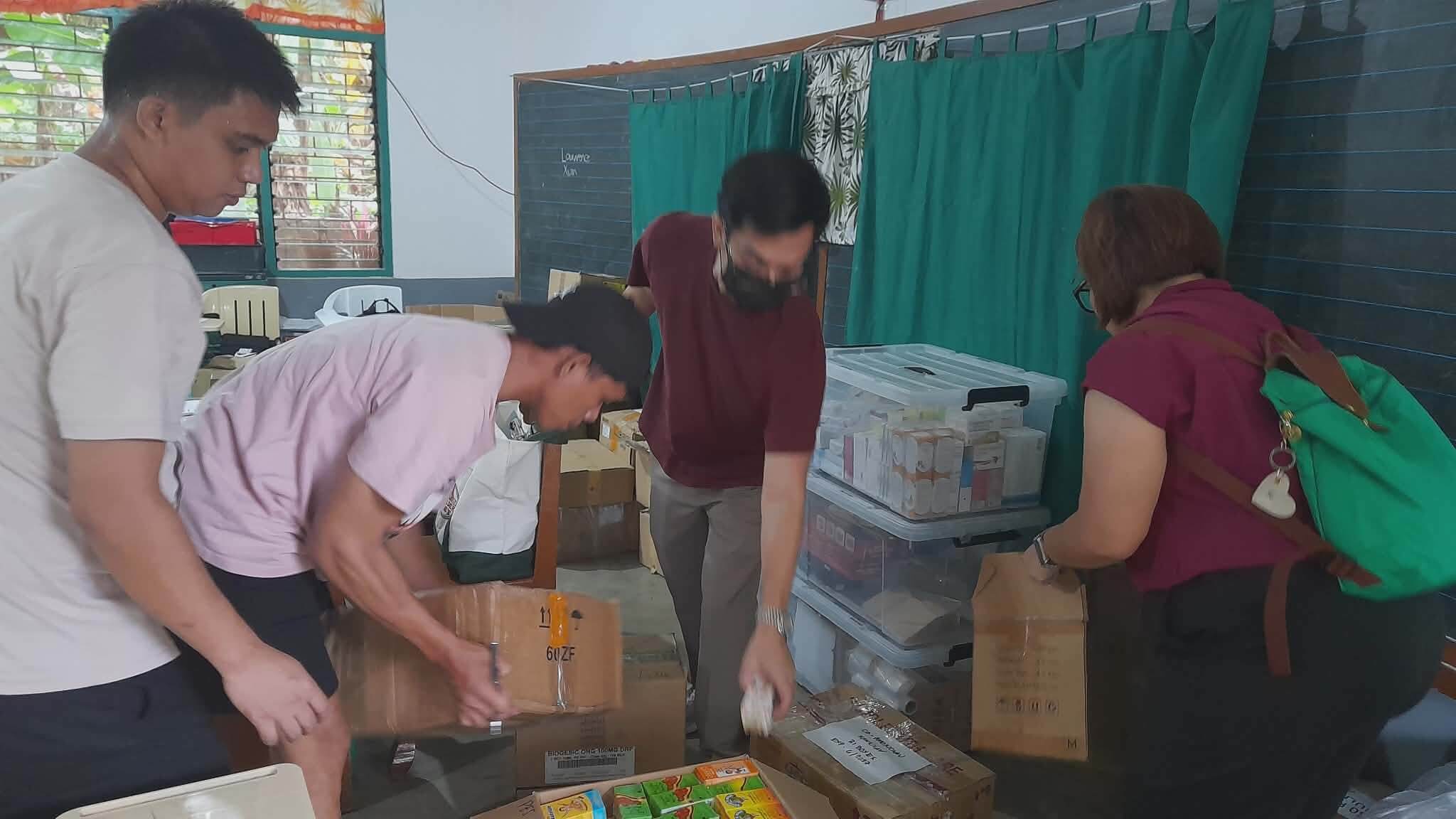
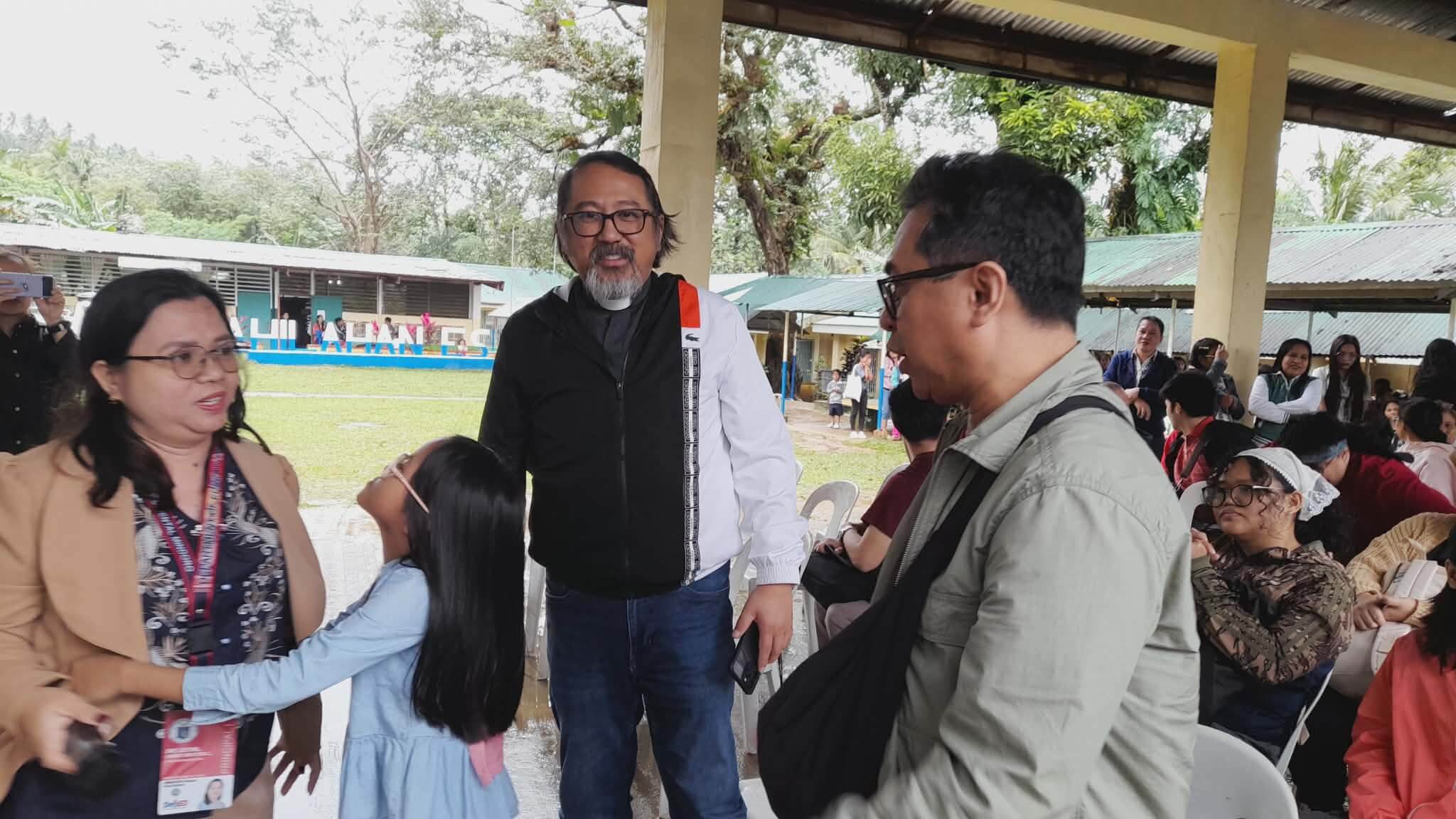
We were joined by volunteer parents Vincent Noel Bugay, Vima Tarra, and Joy Arbuckle, whose steady presence helped sustain the many small but essential tasks of the mission. While not present in person, the outpouring of support from Ms. Cha Mancita, Ms. Dada De Guzman, and Ms. Tinette Miciano was incomparably generous and comforting. Alongside them were our Grade 12 STEM–Medical Science students, whose enthusiasm and compassion turned course immersion into a living lesson. Guided by Fr. Gerardo Ma. De Villa, OSB, together with our administrators of Basic Education headed by Dr. Jeana Ariola, and Community Extension led by Don Magnaye and his team, as well as faculty members, what emerged was more than a coordinated outreach effort. A community of care took shape. Through the presence of each volunteer, a simple medical consultation and service became a place where people felt seen, welcomed, and respected.
The generosity of the local community completed this circle of care. Our partner school community warmly welcomed us, preparing the venue and cooking meals for everyone involved in the mission. They shared with us their local delicacies—simple yet heartfelt expressions of hospitality and gratitude.
In this way, the mission became more than a service offered by one group to another. It became a shared encounter. Volunteers and community members, doctors and parents, students and families—all contributed in their own way to create a day marked not only by treatment and assistance, but by mutual care and presence.
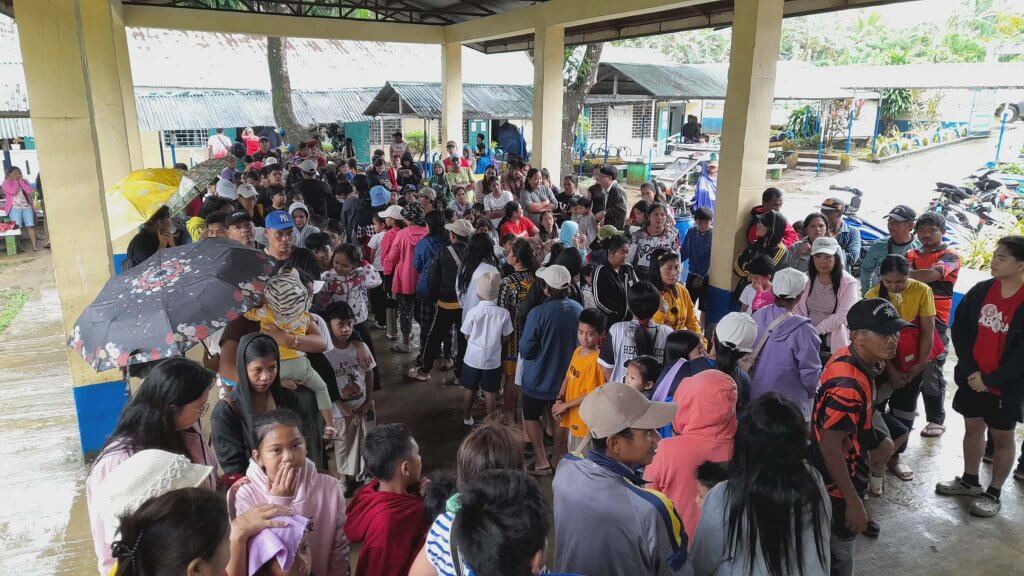
As a principal, I found myself quietly observing these moments. Such an occasion drew me toward a more contemplative and reflective understanding of leadership. In school, leadership often involves planning, directing, and making decisions. In the medical mission, however, leadership took on a simpler form: being present, paying attention, and allowing ourselves to be touched by the lives of others.
By the end of our two-day medical mission, our presence gradually came to a close. The last patients were attended to, medicines were carefully packed away, and the volunteers began the journey back home. The communities slowly returned to their daily rhythms.
Yet the faces remained with us, impelling us to see them again when time permits—faces whose lives briefly intersected with ours. Faces that reminded us that service begins with the simple act of recognizing another person. And these encounters rekindled a quiet truth: sometimes the most meaningful gift we can offer is not only our knowledge, our resources, or our expertise.
Sometimes it is simply the willingness to be present—to see, to listen, and to stand with others, even if only for two meaningful days.